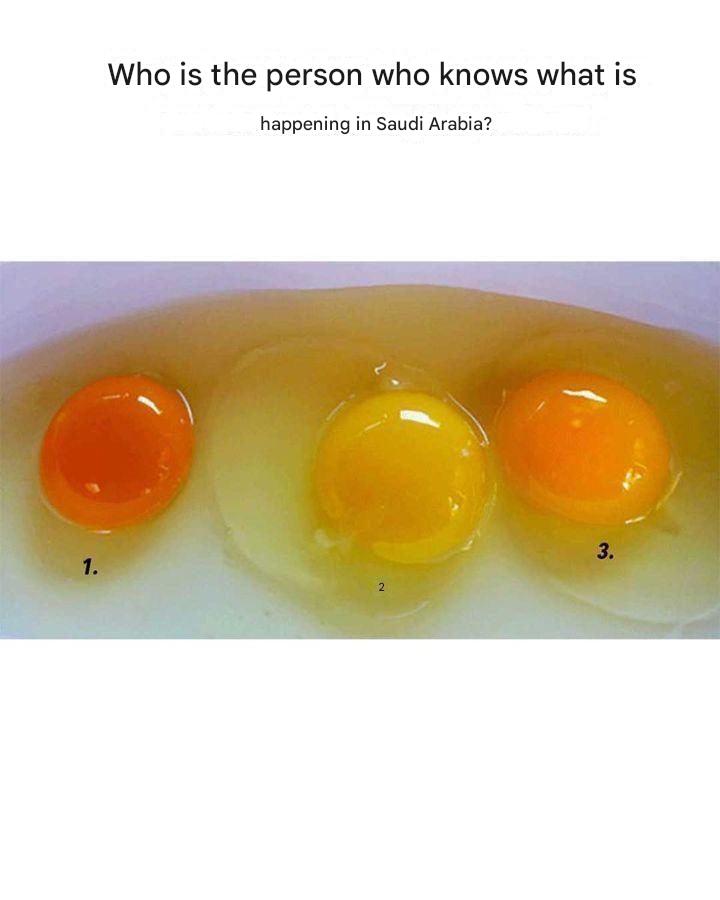
That statement is partly true, but incomplete.
The color of an egg yolk does depend on the hen’s diet and environment, but it’s not really about “origin” in terms of country or farm location.
🥚 What actually determines yolk color
The yolk color comes mainly from pigments in the hen’s feed, especially:
- 🟡 Carotenoids (from plants, corn, grasses)
- 🌿 Lutein and zeaxanthin (from leafy greens)
- 🌽 Corn and marigold extracts (often used in feed)
These pigments are deposited into the yolk while it forms inside the hen.
🎨 What different yolk colors usually mean
🟡 Pale yellow
- Diet: wheat, barley, low-pigment feed
- Common in industrial egg production
🟠 Deep yellow / orange
- Diet: corn, greens, or natural pasture
- Often seen in free-range or mixed diets
🟠🟡 Very dark orange
- Diet: rich in greens, insects, or added natural pigments
- Sometimes associated with pasture-raised hens
🧠 Important truth: color ≠ nutrition guarantee
A darker yolk:
- May indicate more carotenoids (like vitamin A precursors)
- But does NOT automatically mean the egg is more nutritious overall
Nutrition depends more on:
- Hen’s overall diet quality
- Living conditions
- Feed formulation
🌍 About “origin of the egg”
If “origin” means:
- Country
- Farm type
- Brand
👉 It only matters indirectly, because those factors influence what the hens are fed.
🟡 Bottom line
- Yolk color comes from the hen’s diet, not geography itself
- Different farming systems can influence color through feed
- Darker yolk = more pigments, not automatically “better egg”
If you want, I can show you how to tell fresh eggs, high-quality eggs, or free-range eggs just by appearance and simple home tests.
