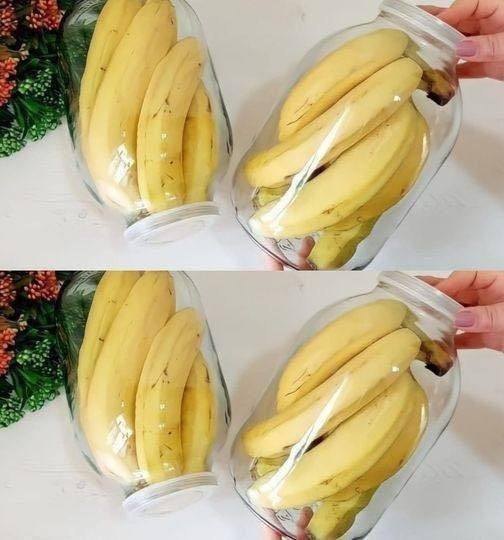
🍌 Plantain — What it is & how to use it
Plantain is a close relative of the banana, but it’s starchier, less sweet, and usually cooked rather than eaten raw. It’s a staple in many cuisines across Africa, the Caribbean, and Latin America.
🌿 What makes plantains different?
- Thicker skin than bananas
- Less sugar (especially when green)
- Texture is more like a potato when cooked
- Changes flavor as it ripens 👇
🎨 Ripeness stages (very important!)
- 🟢 Green (unripe)
- Firm, not sweet
- Best for frying or boiling
- Taste: like a potato
- 🟡 Yellow (ripe)
- Slightly sweet
- Softer texture
- Good for frying or baking
- ⚫ Black (very ripe)
- Very sweet
- Soft inside
- Perfect for caramelized dishes
🍳 Popular ways to cook plantains
1. Fried Plantains (super popular)
- Slice and fry in oil
- Yellow = slightly sweet
- Black = very sweet & caramelized
2. Tostones (crispy savory snack)
- Use green plantains
- Fry → smash → fry again
- Sprinkle salt
3. Boiled Plantains
- Simple and filling
- Often served with stews or curries
4. Baked Plantains
- Healthier option
- Slice, drizzle oil, bake until golden
💪 Health benefits
- High in fiber (good for digestion)
- Rich in potassium (heart health)
- Good source of energy (complex carbs)
⚠️ Quick tips
- Don’t try to peel like a banana—use a knife
- Green ones are hard, so cut carefully
- They soak up oil when frying—don’t overdo it
If you want, I can give you a simple Pakistani-style plantain recipe or a quick 10-minute snack version 😋
