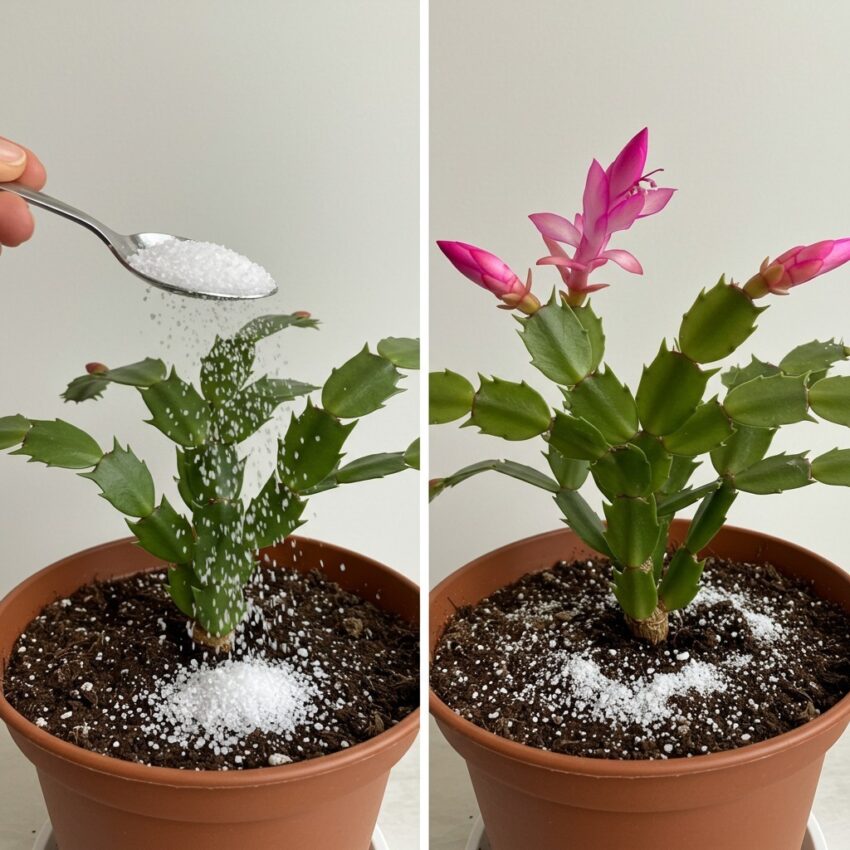
When autumn arrives, indoor plants quietly shift into a different rhythm. The light softens, the air gets drier, and many house flowers start to slow their growth. But this season isn’t just about winding down—it can actually be a moment of renewal if you know how to work with it.
The “Fall Awakening” Shift
Most people assume house flowers become less important in fall because they grow slower. In reality, this is when they adjust internally—building strength in their roots and conserving energy for the months ahead. If you support them properly now, they often come back fuller and healthier later.
Light becomes the biggest factor. As days shorten, even sun-loving plants start struggling to get enough exposure. Moving them closer to a bright window (without harsh direct midday sun) can make a noticeable difference. Rotating pots every few days also helps prevent uneven, lopsided growth.
Watering: Less, but Smarter
One of the most common mistakes in fall is keeping a summer watering routine. Since evaporation slows down, soil stays moist for longer. Overwatering at this time can quietly stress roots.
Instead of sticking to a schedule, check the soil with your finger—water only when the top layer feels dry. This simple adjustment often revives plants that looked tired or dull.
The “Little Secret”: Gentle Nutrient Reset
Here’s the part many plant owners overlook: fall is the perfect time for a mild nutrient reset, not heavy feeding.
Instead of strong fertilizers, a diluted, balanced liquid feed (or even compost tea if you use organic methods) can gently support root health without forcing rapid growth. Think of it as steady nourishment rather than stimulation.
This subtle approach helps plants “reset” their energy rather than pushing them into out-of-season growth that can weaken them later.
Air, Dust, and Hidden Stress
Indoor air tends to dry out in autumn, especially when fans or heaters start running. Leaves collect dust more easily, which blocks light absorption.
Wiping leaves gently with a damp cloth once every week or two can significantly improve a plant’s ability to breathe and photosynthesize. It’s a small step, but surprisingly effective.
A Quiet Season, Not an Empty One
Fall doesn’t have to be a dormant period for your house flowers. With adjusted watering, better light placement, and that subtle nutrient “secret,” your plants can stay steady, resilient, and quietly prepare for stronger growth ahead.
Sometimes, the healthiest growth isn’t what you see—it’s what’s happening beneath the soil.
