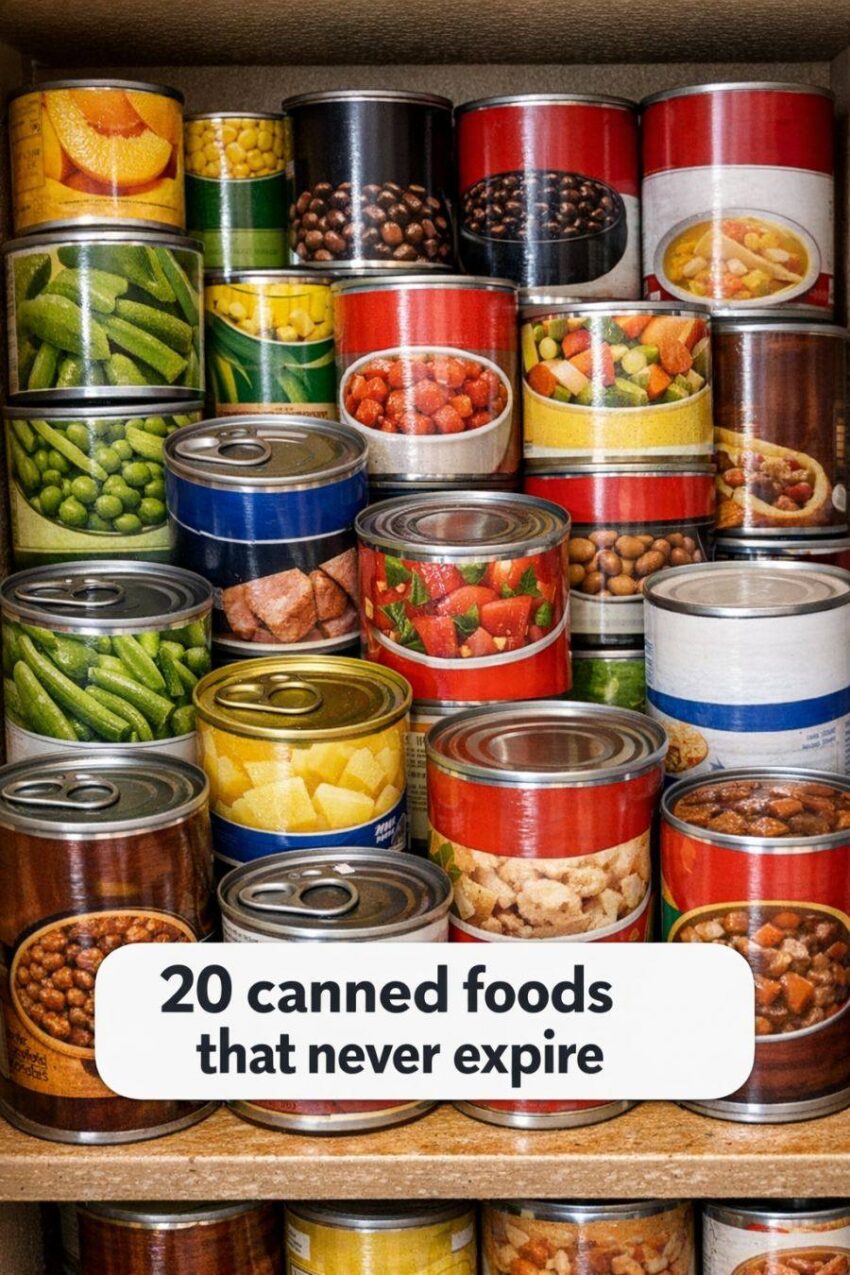
Canned food is a convenient and long-lasting way to store food, but it’s important to know how to use and store it safely. Here’s a thorough guide:
1. What Canned Food Is
- Food sealed in airtight metal cans and heat-processed to kill bacteria.
- Can include vegetables, fruits, meats, beans, soups, sauces, and fish.
- Designed to last months to years without refrigeration until opened.
2. Advantages
- Long shelf life – often 1–5 years
- Convenient – ready to eat or easy to cook
- Affordable – often cheaper than fresh or frozen foods
- Nutritious – preserves many vitamins and minerals, though some water-soluble vitamins (like C) may decrease
3. Common Types
- Vegetables: corn, peas, carrots, beans
- Fruits: peaches, pineapple, fruit cocktail
- Proteins: tuna, chicken, salmon, sardines
- Soups and stews: ready-to-eat meals
- Sauces and pastes: tomato sauce, coconut milk
4. Storage Tips
- Store in a cool, dry place away from sunlight
- Avoid cans with dents, rust, or bulging lids
- Once opened, transfer food to a sealed container and refrigerate (use within 3–5 days)
5. Health Tips
- Check sodium and sugar levels in canned foods, especially soups and fruits
- Rinse canned beans or vegetables to reduce sodium
- Opt for “no added salt” or “low sodium” options if possible
6. Uses
- Quick meals like soups, stews, pasta, or casseroles
- Mix vegetables into salads or side dishes
- Emergency food storage for power outages or camping
💡 Pro Tip: Canned food is a great pantry staple, but combining it with fresh or frozen produce ensures a well-rounded diet.
If you want, I can make a list of the healthiest canned foods to keep in your pantry that are low in sodium and high in nutrients. Do you want me to do that?
