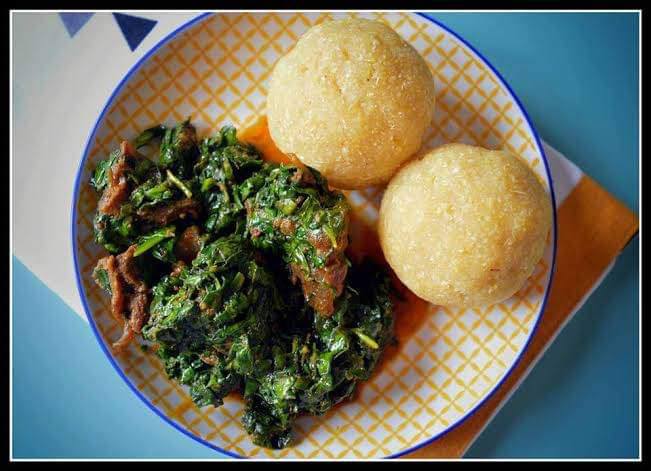
Here’s a comprehensive overview of Nigerian cuisine 🇳🇬—one of the richest and most diverse in Africa, full of bold flavors, spices, and colorful ingredients.
1. Staples
- Grains & Tubers: Rice, maize (corn), millet, sorghum, yam, cassava, plantains
- Legumes & Beans: Black-eyed peas, cowpeas, lentils, peanuts
- Proteins: Beef, goat, chicken, fish, seafood, eggs
- Vegetables & Leaves: Spinach, ugu (fluted pumpkin leaves), bitter leaf, okra, tomatoes, bell peppers
- Spices & Seasonings: Scotch bonnet peppers (ata rodo), ginger, garlic, locust beans (iru), crayfish, bouillon cubes, curry powder, thyme
- Oils: Palm oil (red), groundnut (peanut) oil, vegetable oil
2. Popular Nigerian Dishes
Rice Dishes
- Jollof Rice: Spiced tomato rice, often served at parties, with grilled meat or fried plantains.
- Fried Rice: Colorful rice cooked with vegetables, chicken, shrimp, and sometimes liver.
- Ofada Rice: Local unpolished rice, traditionally served with Ayamase (green pepper sauce).
Soups & Stews
- Egusi Soup: Thick soup made from ground melon seeds and leafy greens, served with fufu or pounded yam.
- Afang Soup: Southern Nigerian vegetable soup with afang leaves, waterleaf, meat, and seafood.
- Efo Riro: Yoruba spinach stew with meat and fish, cooked in palm oil.
- Okra Soup: Slimy, flavorful soup made from okra and assorted meats or fish.
- Gbegiri Soup: Smooth bean soup usually paired with Amala.
Swallows
- Fufu: Made from cassava, yam, or plantains; soft and stretchy for scooping soups.
- Amala: Made from yam flour (elubo), brownish in color, eaten with soups like Gbegiri and Ewedu.
- Eba: Made from garri (cassava flakes), served with most Nigerian soups.
- Pounded Yam: Boiled yam pounded into a smooth, stretchy dough.
Snacks & Street Foods
- Suya: Grilled spicy skewered meat with peanut-chili spice.
- Akara: Deep-fried bean cakes, usually eaten for breakfast.
- Moi Moi: Steamed bean pudding with vegetables, eggs, or fish.
- Puff-Puff: Sweet fried dough balls.
Other Popular Dishes
- Pepper Soup: Spicy watery soup, often with fish, chicken, or goat meat.
- Bitterleaf Soup: Nigerian soup made with bitter leaves, palm oil, and assorted meats.
- Amala with Ewedu & Gbegiri: Traditional Yoruba dish with yam flour swallow, jute leaf soup, and bean soup.
3. Flavors & Cooking Style
- Spicy and bold: Scotch bonnet peppers are common.
- Savory & hearty: Soups often include palm oil, crayfish, smoked fish, or ground seeds.
- Colorful & aromatic: Use of peppers, tomatoes, and green vegetables adds flavor and color.
- Communal eating: Meals are often shared family-style.
4. Tips for Cooking Nigerian Food
- Use fresh ingredients for the best flavor.
- Swallow foods (Eba, Fufu, Amala) are essential for traditional meals.
- Many soups are thickened with ground seeds, nuts, or blended vegetables.
- Pair proteins like meat, fish, or seafood with leafy greens and starch for a balanced meal.
If you want, I can also make a list of 20–25 must-try Nigerian dishes with short descriptions—this would give you a full “culinary tour” of Nigeria.
Do you want me to do that?
