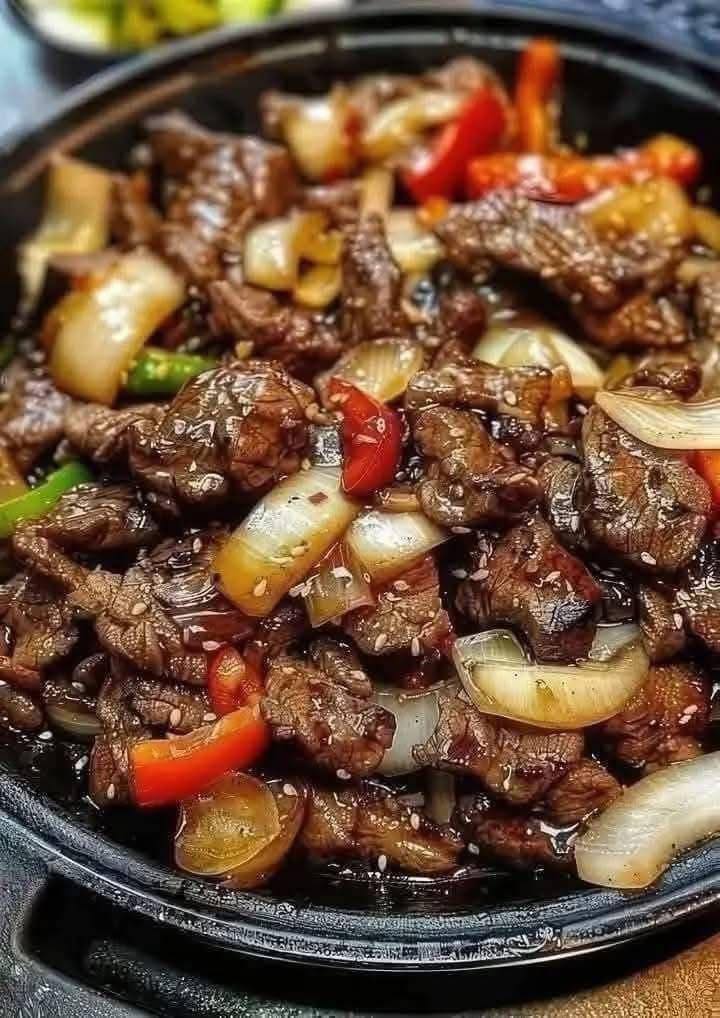
Ah, Chinese cuisine—a rich and diverse culinary tradition with thousands of years of history! It’s far more than just the takeout dishes many people are familiar with. Here’s a comprehensive overview:
1. Key Features of Chinese Cuisine
- Balance of flavors: Sweet, sour, salty, bitter, and umami.
- Techniques: Stir-frying, steaming, braising, deep-frying, and roasting.
- Ingredients: Rice, noodles, vegetables, tofu, meats (pork, chicken, beef, duck), seafood, soy sauce, ginger, garlic, and various spices.
- Presentation: Often shared family-style, with multiple dishes served together.
2. Major Regional Cuisines
- Cantonese (Guangdong)
- Famous for: Dim sum, roasted meats (char siu, Peking duck), seafood.
- Flavor profile: Mild, slightly sweet, emphasizes freshness.
- Sichuan (Szechuan)
- Famous for: Kung Pao chicken, mapo tofu, hot pot.
- Flavor profile: Spicy, numbing (Sichuan peppercorn), bold flavors.
- Hunan
- Famous for: Spicy and smoky dishes, chili-based sauces.
- Flavor profile: Hot and sour, lots of fresh chili and garlic.
- Shandong
- Famous for: Seafood, soups, and clear broths.
- Flavor profile: Salty, light, focuses on technique and freshness.
- Jiangsu (Su)
- Famous for: Sweet and savory braised dishes, river fish and crustaceans.
- Flavor profile: Sweet, tender textures, often syrupy sauces.
- Zhejiang
- Famous for: West Lake fish, fresh vegetables, bamboo shoots.
- Flavor profile: Light, fresh, delicate seasoning.
- Fujian
- Famous for: Soups, seafood, and red-cooked dishes.
- Flavor profile: Light, slightly sweet, rich soups and stocks.
- Anhui
- Famous for: Wild herbs, stews, and mountain vegetables.
- Flavor profile: Rich, hearty, emphasizes natural flavors.
3. Popular Chinese Dishes
- Dim Sum: Small bite-sized portions like dumplings, buns, and rolls.
- Sweet and Sour Pork: Crispy pork with tangy sauce.
- Kung Pao Chicken: Stir-fried chicken with peanuts and chili peppers.
- Mapo Tofu: Spicy Sichuan tofu with minced meat.
- Peking Duck: Crispy roasted duck with pancakes and hoisin sauce.
- Hot Pot: Communal boiling pot where diners cook meats, vegetables, and noodles.
- Fried Rice & Noodles: Classic staples with vegetables, eggs, and meats.
4. Cooking Tips for Chinese Cuisine
- High heat for stir-frying: Keeps vegetables crisp and meat tender.
- Prep ingredients first: Everything cooks quickly; mise en place is key.
- Balance flavors: Use saltiness (soy sauce), sweetness (sugar), acidity (vinegar), and spice thoughtfully.
- Sauce thickening: Cornstarch slurry is commonly used for glossy sauces.
💡 Fun fact: Chinese cuisine emphasizes “yin and yang” in food—balancing ingredients, flavors, textures, and even temperature for health and taste.
If you want, I can make a “Chinese cuisine starter menu” with 8–10 iconic dishes, including stir-fries, dim sum, soups, and desserts, so you can get a full taste of the cuisine at home.
Do you want me to do that?
