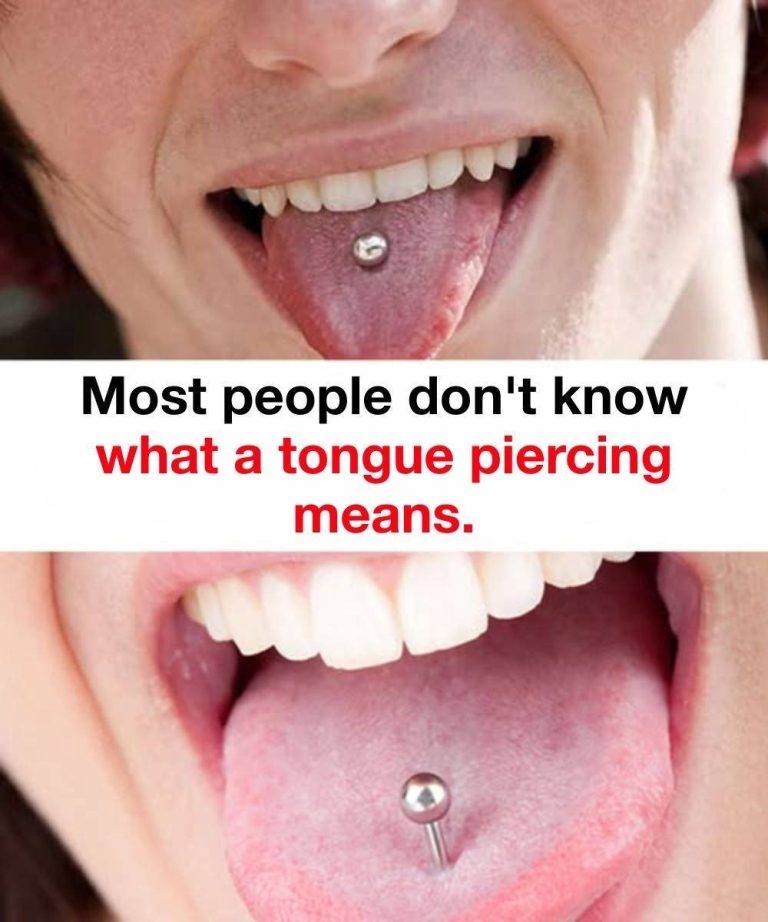
Tongue piercings tend to get framed as a “trend,” but they’ve meant very different things across time and cultures. The symbolism is less about one fixed meaning and more about why the individual chooses it.
🕰️ Historical roots
In some Mesoamerican cultures like the Aztecs and Mayans, ritual tongue piercing was practiced in sacred ceremonies. It wasn’t about style—it symbolized:
- Communication with the divine
- Sacrifice and spiritual devotion
- Personal transformation
🧠 Modern meanings
Today, a Tongue piercing can represent different things depending on the person:
1. Self-expression
A way to stand out or reflect personal identity.
2. Reclaiming control
Some people see body modifications as a way to take ownership of their body.
3. Aesthetic appeal
Simply liking how it looks or feels—no deeper symbolism required.
4. Rebellion or individuality
Especially in youth culture, it can push back against norms.
5. Sensory curiosity
Some are drawn to the experience itself or the physical sensation.
⚠️ Practical reality (often overlooked)
Beyond symbolism, there are real considerations:
- Risk of infection if not done properly
- Potential dental damage (chipped teeth, gum recession)
- Need for strict hygiene during healing
✔️ Bottom line
There isn’t one “hidden meaning” behind tongue piercings. For some, it’s deeply symbolic; for others, it’s just a personal style choice.
If you’re curious about getting one, it’s worth focusing less on the symbolism and more on safety, hygiene, and whether it actually fits your lifestyle.
