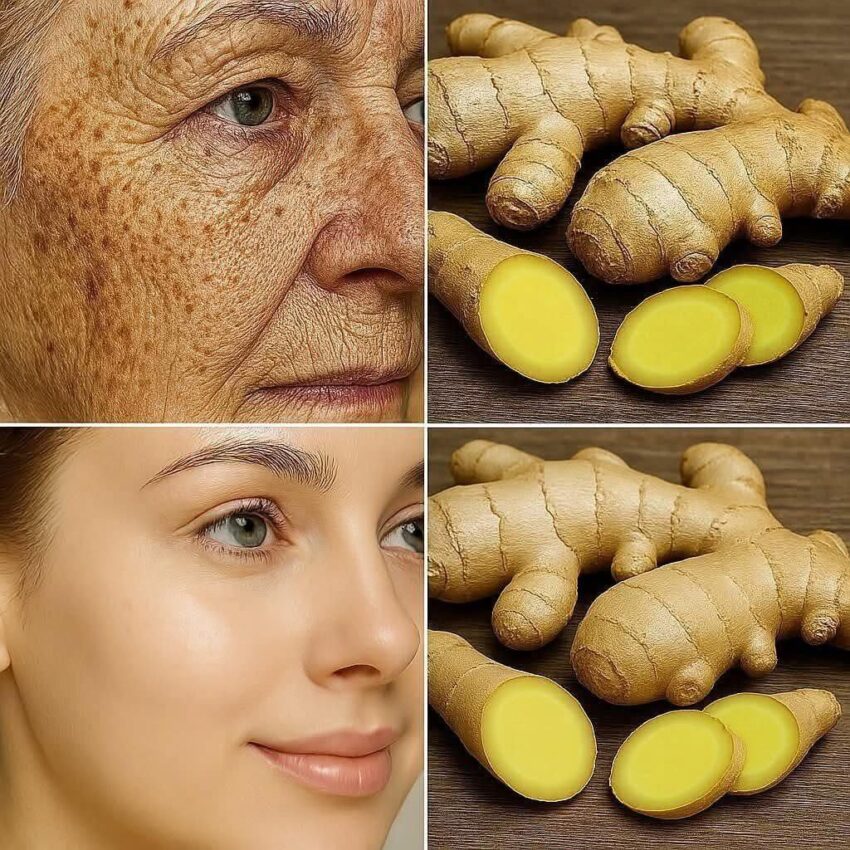
Ginger can be a nice supporting ingredient for skin—but “glowing skin” headlines tend to oversell what it can actually do.
What ginger can realistically offer
The root of Ginger contains antioxidants and anti-inflammatory compounds (like gingerol). That means it may:
- Help calm mild irritation or redness
- Provide some antioxidant protection (which supports overall skin health)
- Slightly brighten the look of skin over time
What it can’t do
- It won’t transform your skin overnight
- It doesn’t replace sunscreen, proper cleansing, or medical treatments
- It won’t cure conditions like acne, pigmentation disorders, or eczema on its own
⚠️ Be careful using it on skin
Raw ginger is quite strong and can irritate or even burn sensitive skin if applied directly. If people use it in DIY masks, it’s usually:
- Diluted with soothing ingredients (like yogurt or honey)
- Used briefly—not left on for long periods
- Patch-tested first to avoid reactions
A more realistic approach
If you want healthier-looking skin:
- Stay consistent with basic skincare (cleanser, moisturizer, sunscreen)
- Eat a balanced diet (ginger tea or food is fine as part of that)
- Use proven ingredients (like niacinamide or vitamin C if needed)
Bottom line: Ginger can be part of a healthy routine, but it’s not a miracle glow-up ingredient. If you’re dealing with a specific skin concern, it’s better to target that directly rather than rely on viral “natural hacks.”
