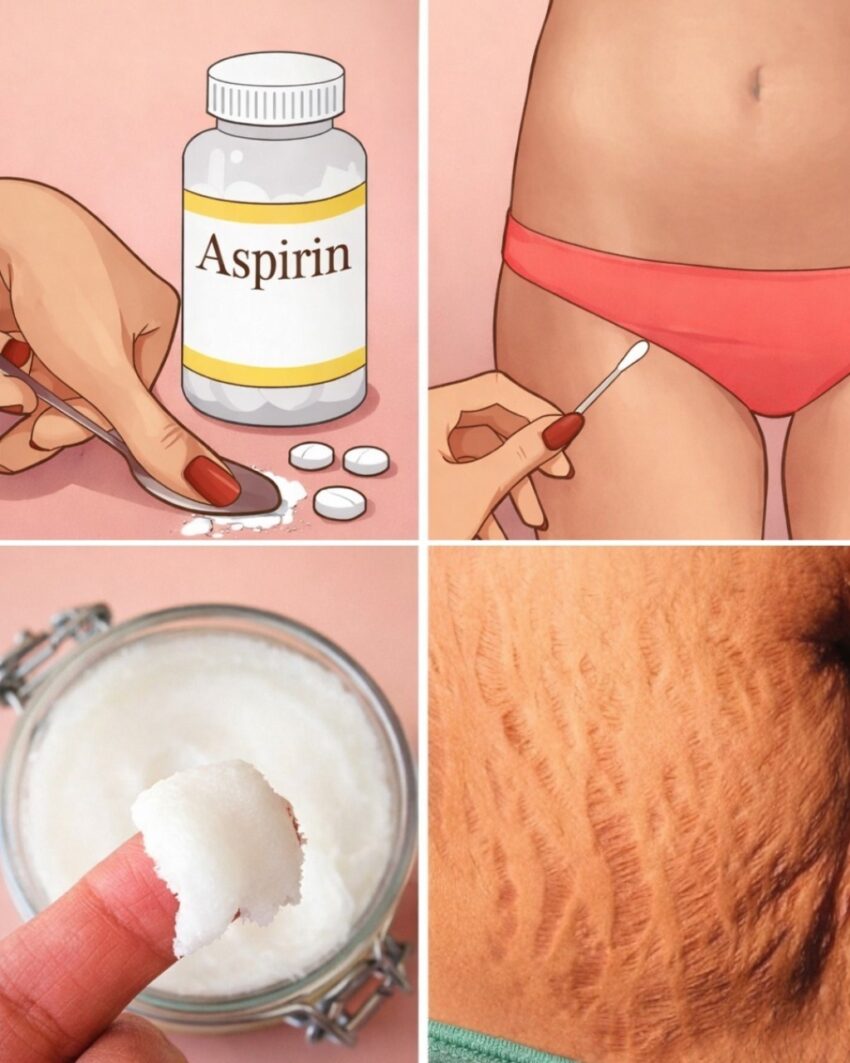
Aspirin is a common medication, but it’s also one that gets a lot of exaggerated “tricks” online. So here’s a clear, realistic, and safe breakdown of what it can and can’t actually do—especially for everyday use.
💊 First: what aspirin really is
Aspirin (acetylsalicylic acid) is mainly used for:
- Pain relief (headache, cramps, muscle pain)
- Reducing inflammation
- Lowering fever
- In low doses, sometimes prescribed to reduce blood clot risk (only under medical advice)
✅ Legit, useful ways people use aspirin (when appropriate)
1) Menstrual cramps (some people find relief)
- It can reduce prostaglandins (chemicals that cause cramps)
- Works best when taken early in pain onset
⚠️ Not suitable for everyone—especially if you have stomach issues
2) Acne spot help (very limited use)
- Crushed aspirin + water is sometimes used as a short-term paste
- May slightly reduce redness due to anti-inflammatory effect
⚠️ Not a real acne treatment and can irritate skin—dermatologists don’t recommend regular use
3) Splinter or insect bite irritation (minor relief)
- Can reduce mild swelling if used topically in rare DIY remedies
⚠️ Again: not medically necessary, just mild anti-inflammatory effect
4) Heart protection (ONLY if prescribed)
- Low-dose aspirin may be used to reduce clot risk
⚠️ This must be doctor-guided—self-use can cause internal bleeding risk
⚠️ Important safety warnings (very important)
Aspirin is NOT harmless:
- Can cause stomach irritation or ulcers
- Increases bleeding risk (cuts, heavy periods, internal bleeding)
- Not recommended for children or teens with viral illness (risk of Reye’s syndrome)
- Can interact with other medications
❌ Myths you should ignore
- “Cures acne permanently” → false
- “Detoxes skin or body” → false
- “Whitens skin” → unsafe myth
- “Safe for daily use without limits” → dangerous
🟢 Simple takeaway
Aspirin is useful, but only for specific medical or short-term purposes, not beauty hacks or everyday “tricks.”
If you want, I can also explain:
- safe painkillers for cramps vs aspirin
- natural ways to reduce inflammation
- or what actually helps acne long-term (evidence-based)
