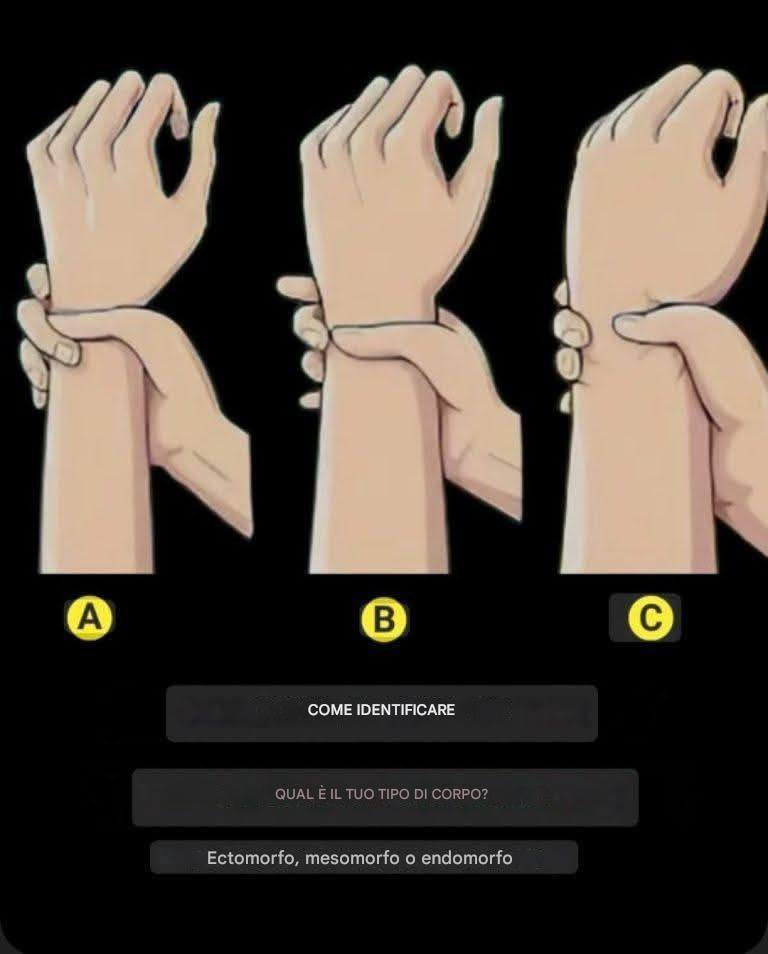
The idea of ectomorph, mesomorph, and endomorph comes from an old body classification system called Somatotype. It’s still popular in fitness—but it’s often misunderstood.
Let’s break it down clearly 👇
🧍♂️ The 3 classic body types
1. Ectomorph (naturally lean)
- Slim build, narrow shoulders
- Fast metabolism (hard to gain weight)
- Often struggles to build muscle
👉 Think: “naturally skinny”
2. Mesomorph (naturally athletic)
- Muscular, well-proportioned
- Gains muscle easily
- Responds well to training
👉 Think: “naturally fit”
3. Endomorph (naturally broader)
- Softer, rounder body
- Gains weight easily
- Slower metabolism
👉 Think: “stockier build”
🧠 Important reality check
This system was introduced by William Sheldon in the 1940s—but modern science sees it as oversimplified.
- Most people are a mix, not just one type
- Your body can change significantly with:
- Diet
- Exercise
- Lifestyle
👉 You’re not “stuck” in one category
⚖️ Why people still use it
It can be loosely helpful for:
- Understanding general tendencies
- Planning workouts (e.g., muscle gain vs fat loss focus)
But it should not be treated like a strict rule or limitation.
🚫 Common myth to avoid
- “I’m an endomorph, so I can’t lose weight” ❌
- “I’m an ectomorph, so I can’t gain muscle” ❌
These are not true—progress just requires different strategies.
🟡 Better way to think about your body
Instead of labeling yourself, focus on:
- Body fat percentage
- Muscle mass
- Strength and fitness level
- Habits (diet, sleep, activity)
👍 Bottom line
- The 3 body types are a rough guideline, not a rulebook
- Most people are a combination
- Your results depend far more on lifestyle than body type
If you want, describe your body and habits—I can help you figure out a practical fitness plan that actually fits you.
